

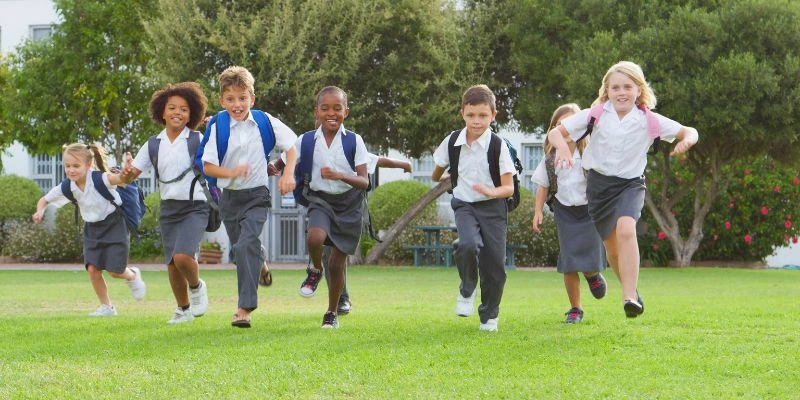
For many pupils, lunchtime is the highlight of their day, a chance to socialise and recharge for the afternoon. However, when children don’t have enough opportunities for meaningful play and physical activity, boredom can quickly set in, often leading to disagreements and low-level behavioural issues. This causes issues getting back into lessons afterwards.
Creating an active and engaging lunchtime environment can make a significant difference. By providing the right mix of play opportunities, schools can encourage pupils to stay physically active, develop social skills, build friendships and enjoy a more positive breaktime experience.
Sport is essential for a happy social life and, according to SAPCA “boosts self-confidence and reduces negative impacts on mental health.” Exercise can stimulate calm feelings and releases endorphins that energise you, making it a great way for pupils to feel refreshed for an afternoon of learning.
In this article, we’ll explore practical equipment and planning ideas that can help schools create more active lunchtimes, ensuring pupils return to the classroom ready to learn.
- Introducing play leaders
Try creating a rotor which selects two pupils per day to monitor play equipment and act as a play leader. Have them stand by your storage facility (creating a shop-like feel) and track what goes out and comes back in. This not only ensures equipment isn’t lost, but it also gives pupils a sense of leadership and authority, allowing children to gain confidence and socialise in an independent way. This method teaches life-long skills, and the use of a rota avoids any disagreements amongst pupils.
Adding interactive play structures and areas can help pupils build imagination, keeps children active and allows for storytelling. Combining traditional play equipment like slides, ropes, nets and ladders into exciting and challenging environments, our play towers allow you to create the perfect play area. Encourage sharing and socialisation whilst upgrading your playground.
Bringing Table Tennis into your school is a great way to promote sharing and turn taking when playing a sport. Not only realistic and low-cost, but table tennis tables also only take up minimal storage space and is a great option for all ages and abilities. The sport keeps pupils active, without involving overly competitive play.
- Reducing Behaviour Issues through Structured Play
To reduce conflicts and pupils feeling like they don’t have a place to fit in at break times, try splitting your playground into lunchtime play zones, each meeting the needs of individual pupils. For example
Active zone – Football goals, basketball hoops, skipping ropes
Social zone – Picnic benches, outdoor table tennis, chess tables
Challenge zone – Fitness trails, trim trails, obstacle equipment
Quiet zone – Reading areas, sensory equipment, nature corners
Creating active lunchtimes doesn’t always require major investment. By providing a mix of structured activities, inclusive play opportunities and engaging equipment, schools can encourage healthier, happier pupils whilst helping to reduce behaviour issues and support learning throughout the day.