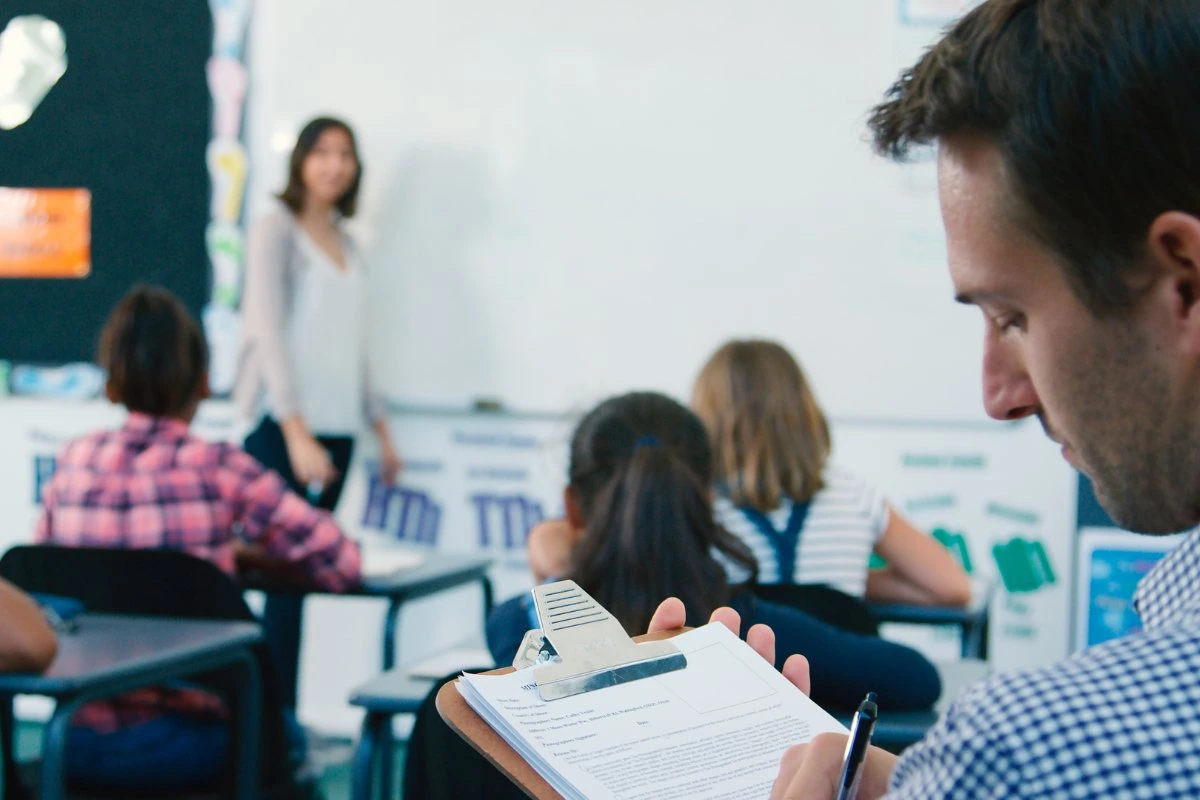


As teachers, planning lessons is part of your everyday. Whether it’s for Maths, English or PE, planning is a must to run smooth, stress-free lessons that keep students entertained and engaged throughout. But could getting students involved in the planning of their lessons be beneficial? Read below to see how involving students in PE lesson planning could be beneficial for their educational development.
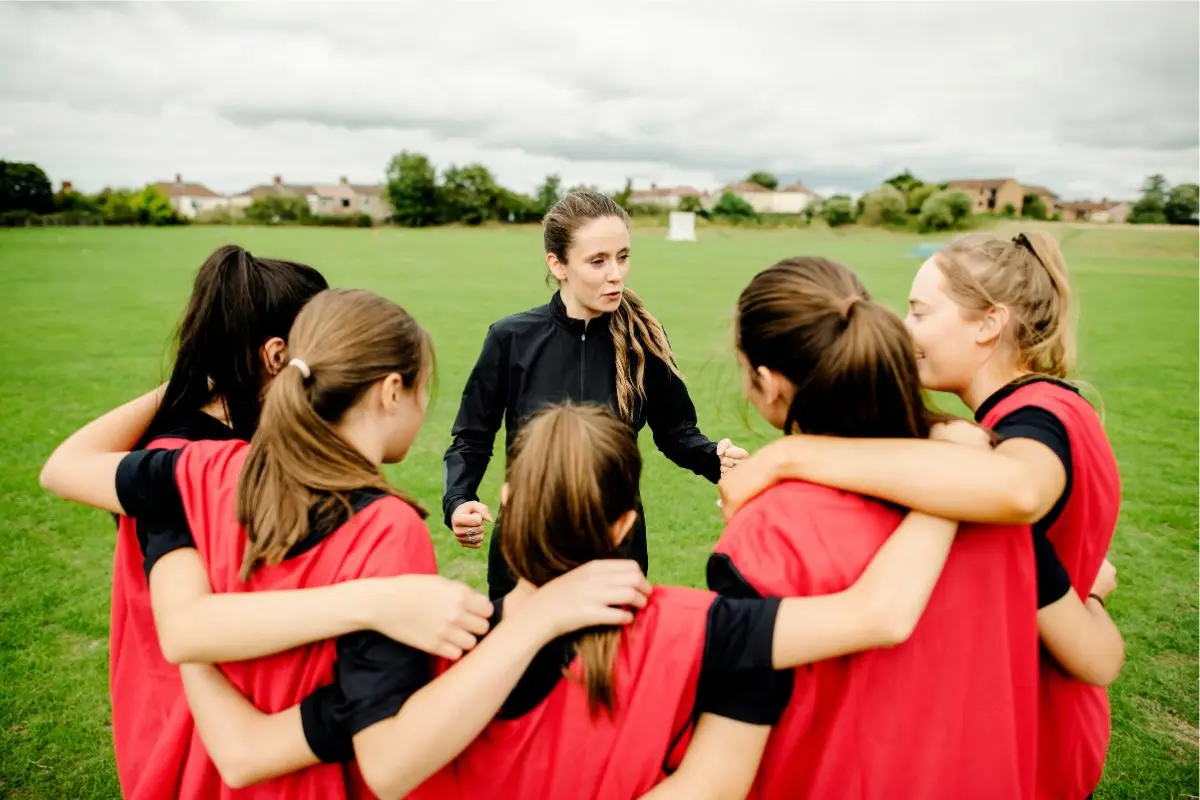
Having your students plan out their PE lessons is a great way to help them understand how they can transfer curriculum into fun lessons. This can aid their practical revision sessions, allowing them to select equipment strategically and create drills that are going to benefit their educational development.
Not only does involving students help with understanding how to transfer the curriculum into practical lessons, but it also ensures lessons are relevant to what your students are looking to work on. A student that’s great at shooting in netball may feel like a shooting drill isn’t worth their time, but they may struggle with their passing and feel they can better utilise their time by working on this. Opening the opportunity for students to plan their own lessons allows them to take control and reflect on the exact skills that need improving, all whilst keeping them engaged.
Idea: Try splitting your students into groups and encouraging them to plan exercises that work on a specific skill they are wanting to work on. They need to select the equipment necessary, how to perform the drill successfully, where this will be performed in a game and the benefits this will have on their overall game play.
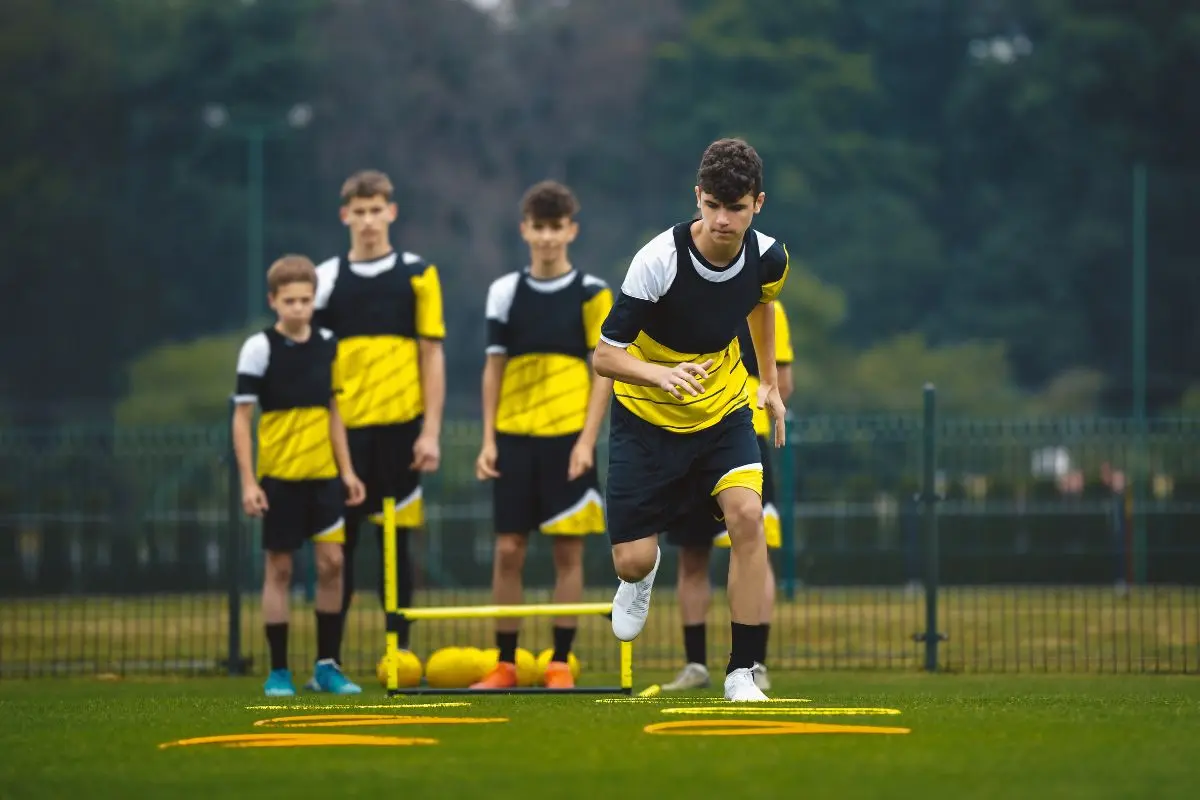
Another benefit of getting your students involved in lesson planning is the idea of promoting freedom throughout your students’ learning. Allowing students to showcase their ideas creates a sense of ownership in their education, boosting excitement and motivation during lessons. This may increase development outside of the classroom now that students have seen that they themselves are able to come up with creative lesson ideas.
Finally, having students involved in the planning process of their lessons encourages valuable life skills such as teamwork, communication and problem-solving. When students collaborate to decide the focus of a session, they learn to negotiate different opinions, justify their choices and work towards a common goal. These skills extend far beyond PE, preparing students for future group work and leadership opportunities. By embedding these collaborative experiences into lesson planning, teachers can support both physical and personal development in a meaningful way.
Personalising each student’s learning by giving them a choice when it comes to planning goes far beyond giving them a voice, it provides opportunities for deeper learning, skill reflection and personal ownership of their development. By encouraging them to design drills, select equipment and focus on the areas they most want to improve, teachers can create lessons in the future that are both purposeful and engaging.
This approach not only strengthens students’ understanding of how the curriculum translates into practice but also nurtures motivation, independence and creativity. Ultimately, when students are given the chance to shape their own learning, PE lessons become more relevant, enjoyable and impactful for everyone involved.