


For many schools, playgrounds have traditionally been seen as spaces for unstructured play. A place for pupils to let off steam between lessons. However, under the current Ofsted inspection framework, these spaces are increasingly recognised as an important part of a school’s overall provision.
Today, inspectors are not only interested in what happens in the classroom, but also in how schools support pupils’ wellbeing, behaviour and personal development throughout the day. Outdoor spaces, including playgrounds, play a valuable role in shaping these areas.
PE subject leaders are also expected to demonstrate:
Designing an active, engaging playground is no longer a ‘nice to have’, it’s an opportunity to demonstrate a school’s commitment to supporting pupils as whole individuals.
Schools may face challenges when making an effort to design an active playground. These barriers can be:
- Limited space
- Tight budgets
- Outdated or underused equipment
- Lack of variety in activities
In these situations, the focus should be on maximising existing space and introducing flexible solutions that encourage more pupils to get involved.
How to design a more active playground:
There are several, effective ways schools can improve their outdoor provision in line with Ofsted expectations…
Think beyond PE lessons:
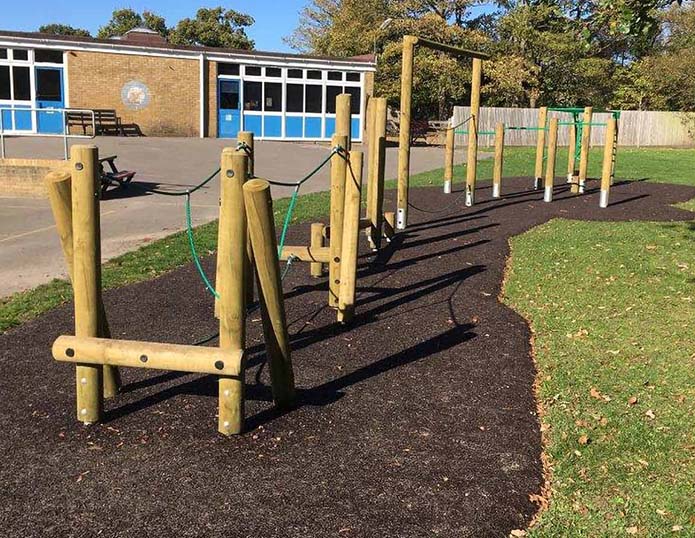
It’s great for pupils to have access to curriculum required sports, however most of their development will come through independent play. Invest in a clamber stack or trim trail to enhance motor skills as well as encourage positive communications between peers during school break times.
Offer a mix of equipment and activities:
Inclusivity is one of the main factors Ofsted will look into when inspecting a school, so it is essential that you offer something for everyone. Offering inclusive equipment removes barriers to participation and ensures that every pupil can engage meaningfully, not just physically access the space. Playtime packs are a great and simple way of maximising playground use and allows everyone to have the same play opportunities.
Create zones for different activities:
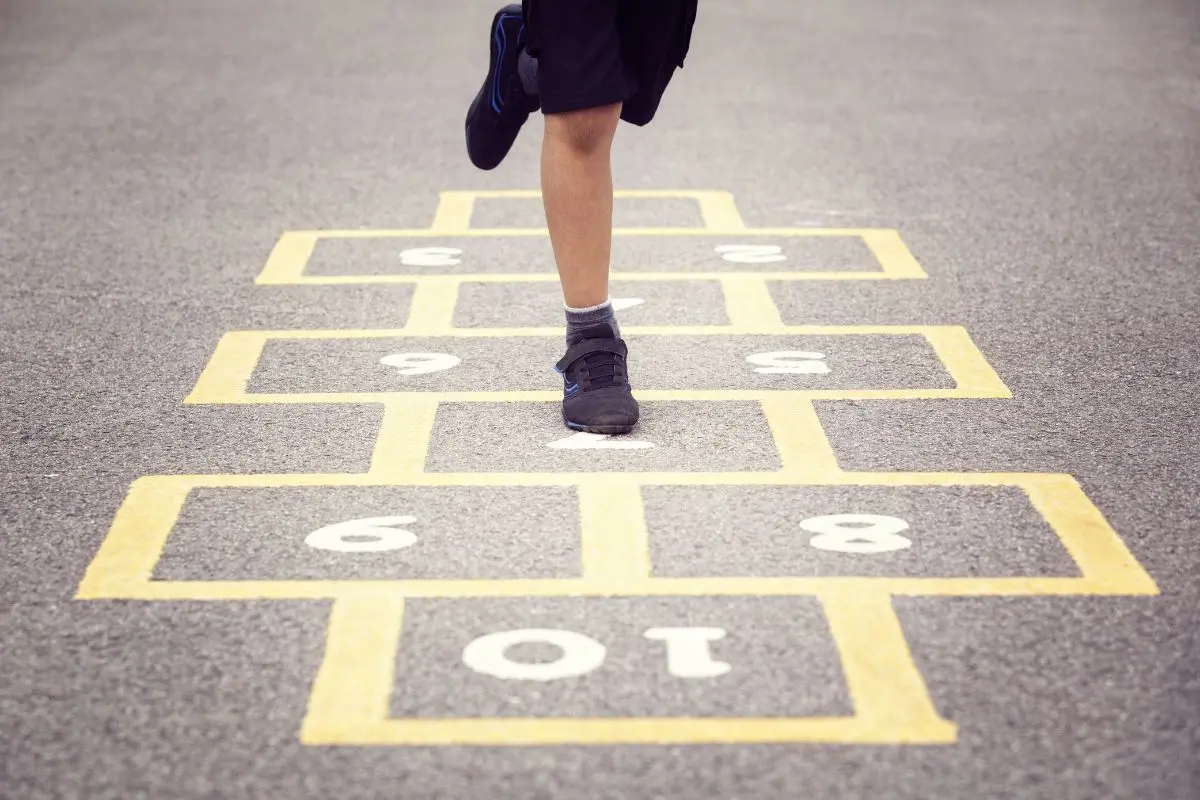
Separating spaces for different types of play increases participations and reduces crowding in the playground. This can encourage pupils to get creative with their play and is a way of developing usual playtimes into meaningful sessions. You can do this by adding line markings to not only mark out sports pitches, but also as a way to develop balance, running and catching.
Prioritise safety and maintenance:
Ensuring equipment is safe and well-maintained is essential, not only for pupil wellbeing, but also as part of demonstrating good practice during inspections.
A well-designed playground can support multiple aspects of an Ofsted inspection, from behaviour and engagement to inclusion and wellbeing.
By creating spaces that encourage active and safe play, schools can strengthen their overall provision and demonstrate their commitment to supporting every individual.
As expectations continue to evolve, schools that take a thoughtful, practical approach to their outdoor spaces will be well placed to meet inspection requirements while also delivering meaningful benefits for their pupils.